The Brief Social | Business & Technology | October 17, 2026
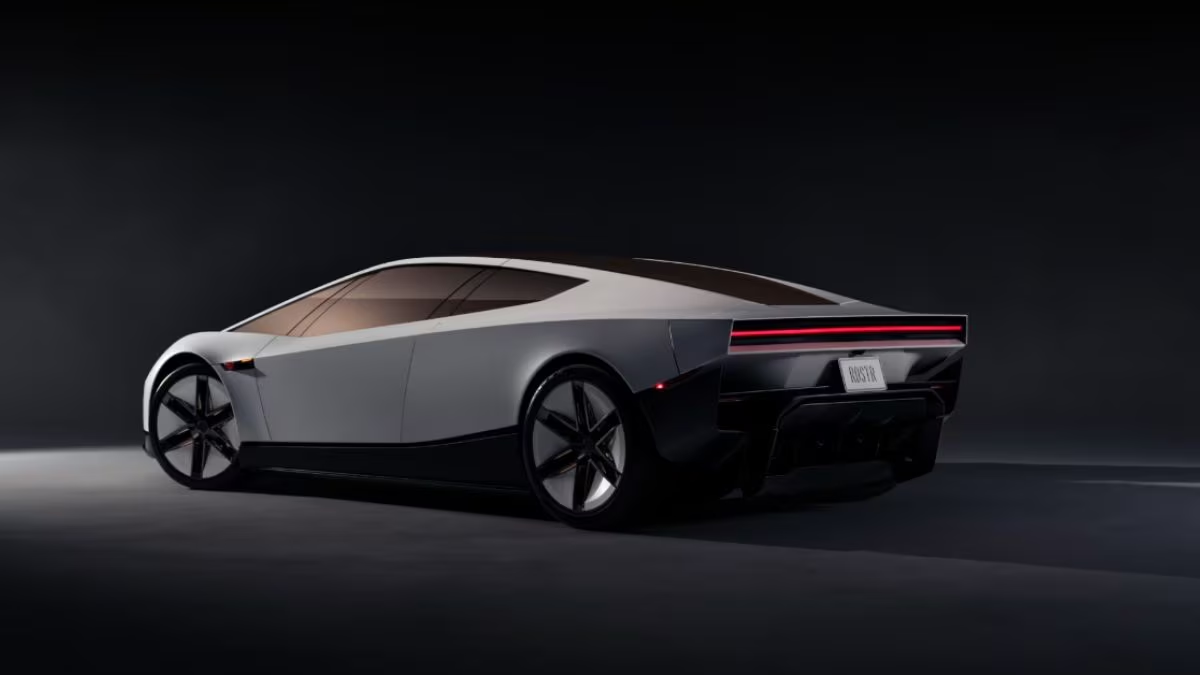
Tesla has unveiled its long-awaited second-generation Roadster, an electric sports car that combines high-performance electric propulsion with aerospace-inspired technology developed in collaboration with SpaceX. The vehicle made its public debut at an event in Texas on October 15, where a prototype demonstrated some unusual capabilities, including driving upside down on a specially designed ramp and performing mid-air manoeuvres using thrusters.
The unveiling marks a major milestone for a project first announced in 2017. However, the Roadster is not yet in mass production, and Tesla is targeting 2028 to begin manufacturing. The final specifications, pricing and delivery schedule remain important questions for prospective buyers.
1. What is the new Tesla Roadster?
The Roadster is Tesla’s planned flagship electric sports car, designed to deliver extreme acceleration and high-speed performance. Unlike Tesla’s mass-market Model 3 and Model Y, it is intended to occupy the premium performance segment.
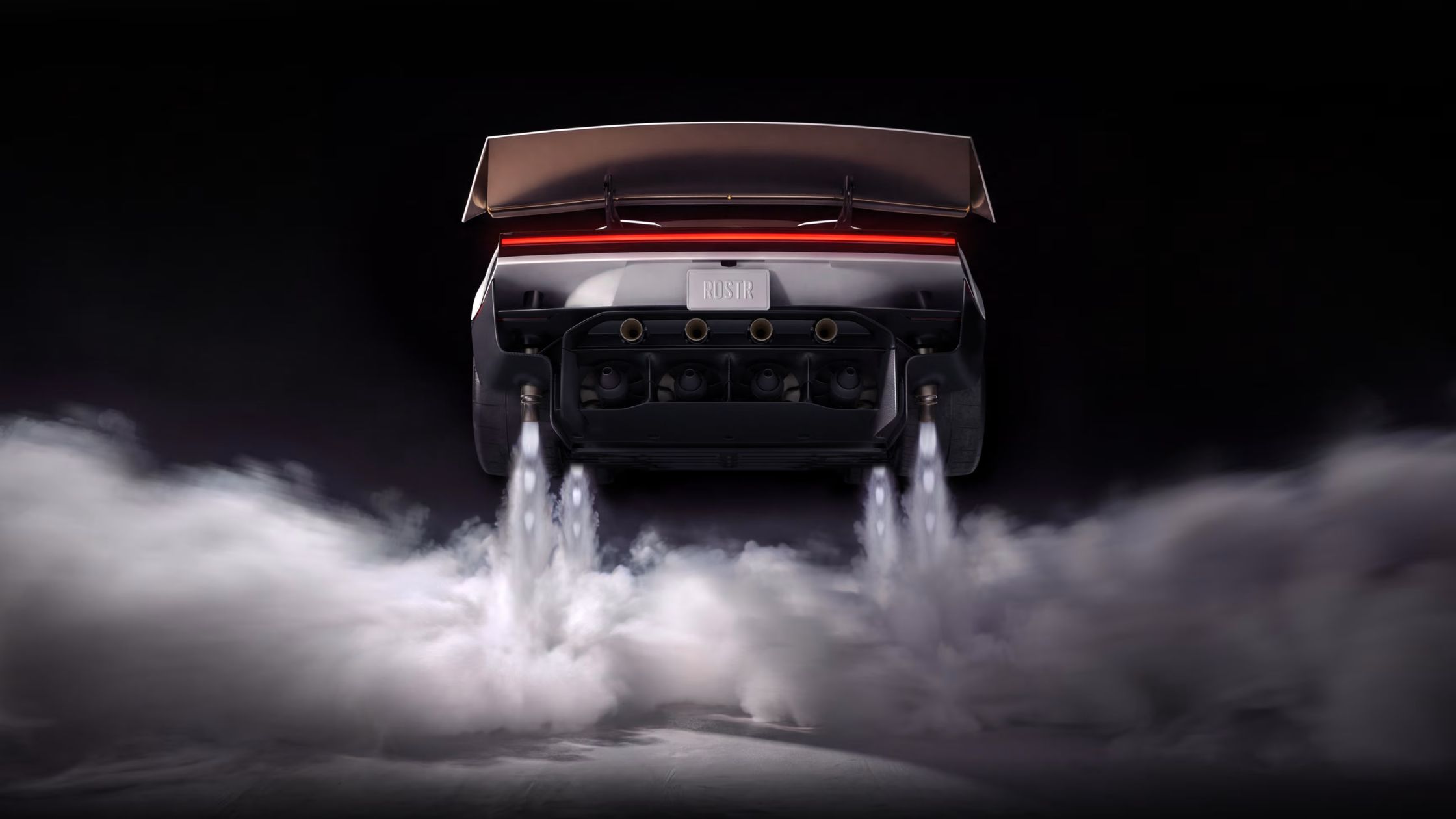
The redesigned vehicle combines an electric drivetrain with advanced aerodynamic systems. Its most unusual feature is an optional package of cold-gas thrusters developed with SpaceX, Elon Musk’s aerospace company.
Tesla’s demonstration attracted attention because the prototype appeared to lift, rotate and land using thrust. However, these demonstrations should not be confused with evidence that the car can function as a conventional aircraft or fly freely in everyday conditions.
2. The technology behind the Roadster
Electric propulsion
At its core, the Roadster remains an electric vehicle. Electric motors convert energy from a battery into mechanical power, delivering torque without the traditional petrol engine and multi-speed gearbox found in many performance cars.
Electric propulsion is particularly useful for rapid acceleration because motors can provide substantial torque from very low speeds. Tesla has not yet provided a complete, independently verified specification sheet for the final production model, so its ultimate power output and real-world performance remain to be established.
SpaceX-inspired cold-gas thrusters
The most talked-about technology is the optional thruster system developed with SpaceX.
Cold-gas propulsion works by releasing stored pressurised gas through nozzles. As gas moves in one direction, it produces thrust in the opposite direction. Unlike a conventional rocket engine, a cold-gas system does not rely on burning fuel to generate hot exhaust.
On the Roadster, this technology is intended to support extraordinary acceleration and specialised manoeuvres. Tesla’s demonstration showed the prototype using thrusters during an airborne movement.
The system presents considerable engineering challenges. A production vehicle would need to accommodate pressurised-gas storage, control systems, safety protections and appropriate operating limits. Its practical road use would also depend on applicable safety and regulatory requirements.
The underbody suction system
Another unusual feature is a fan-based suction system. Tesla demonstrated the prototype driving upside down along a specially constructed ramp, with the system helping to hold the vehicle against the surface.
The concept uses fans and deployable components to create a pressure difference that increases the force holding the vehicle against the ramp. This is different from conventional aerodynamic downforce, which generally becomes stronger as a car travels faster through the air.
The demonstration was designed to showcase the system’s potential, but it does not establish how the technology will perform across normal roads, different weather conditions or emergency situations.
Aerodynamics and vehicle control
At very high speeds, airflow, stability, braking and tyre grip become critical. The Roadster is expected to use active aerodynamic features to manage airflow and improve performance.
However, the effectiveness of these systems will ultimately depend on the production vehicle’s design and independent testing. A dramatic prototype demonstration is not a substitute for verified road-performance and safety data.
3. What performance has Tesla claimed?
Tesla has made ambitious claims about the Roadster’s performance, including acceleration from zero to 60 miles per hour in under one second for its most extreme configurations.
For context, 60 mph is approximately 97 km/h. Reaching that speed in less than a second would be an extraordinary achievement for a production road car, making independent testing especially important.
The headline acceleration claim should not be applied indiscriminately to every version. Reporting on the unveiling indicates that the standard Performance configuration is expected to have less extreme acceleration than versions equipped with additional thruster technology.
Tesla has also previously promoted high top-speed and long-range figures for the Roadster project. The company will need to confirm the final production specifications before buyers can judge how the finished car compares with other electric performance vehicles.
Important distinction: these are manufacturer claims and demonstrations, not independently established results from a commercially available production model.
4. Three planned configurations
Tesla has outlined three versions or configurations for the new Roadster.
Performance: The road-oriented version, featuring active aerodynamics and the multi-mode suction system. It is intended to deliver high performance without the full thruster package.
Thrust: A more extreme configuration adding compressed-gas thrusters to the Performance package. It is aimed at buyers seeking the additional capabilities demonstrated at the unveiling.
Rocket: An invitation-only, single-seat configuration described by Tesla as incorporating the more extensive flight-oriented system.
The distinction matters because the most dramatic demonstrations may not represent the capabilities of the standard road-going version. Buyers will need to check the exact equipment, operating limitations and regulatory status of the configuration they intend to reserve.
5. Production plan: Why the 2028 target matters
The second-generation Roadster was first announced in 2017, but its development has faced repeated delays. The October 2026 unveiling has renewed interest in the project, although the car has not yet entered mass production.
Tesla is now targeting 2028 to begin manufacturing. That remains a planned timeline, not a guarantee of customer deliveries in that year.
Before production can progress at scale, Tesla will need to finalise the vehicle’s engineering, validate its performance and safety systems, establish manufacturing processes and meet the applicable regulatory requirements.
The thruster-equipped configurations may face additional challenges because their capabilities go beyond those of a conventional electric sports car.