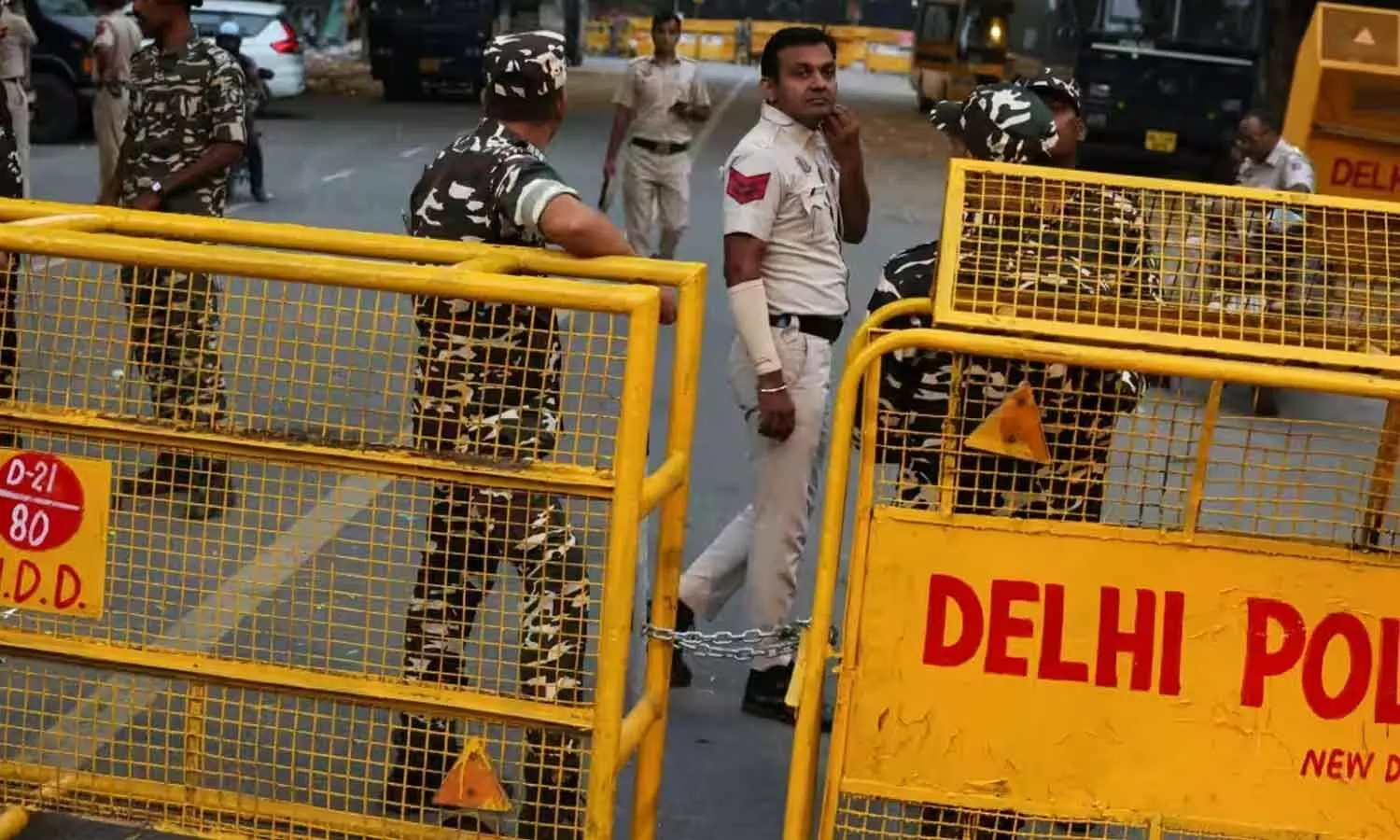
Delhi Police has removed Jantar Mantar from its list of designated venues for protests and demonstrations, marking a major change for one of the capital’s best-known public protest sites.
Under a standing order dated 11 October 2026, Delhi Police Commissioner Anurag Kumar identified three alternative locations for demonstrations: Ramlila Maidan, Burari Maidan and CBD Ground in East Delhi. The move follows recommendations from a committee set up by the Union Ministry of Home Affairs. Detailed rules for organising protests at the new locations are yet to be announced.
For years, Jantar Mantar has been a familiar gathering point for political parties, social organisations and citizens seeking attention for their demands. Its removal from the designated list means protest organisers will have to look to other approved venues.
Why the Decision Matters
The announcement comes amid political tensions over the Special Intensive Revision (SIR) of electoral rolls. Opposition parties, including members of the INDIA bloc, have raised concerns over the exercise and demanded the resignation of Chief Election Commissioner Gyanesh Kumar.
The Cockroach Janta Party (CJP) has also sought to hold demonstrations over alleged electoral irregularities. Delhi Police had earlier refused permission for a proposed CJP protest at Jantar Mantar, citing public safety, traffic and law-and-order concerns.
However, the available reports do not establish that the decision to remove Jantar Mantar was taken specifically to stop these protests.
Are Protests Now Banned in Delhi?
No. The change concerns the designated venue, not a blanket prohibition on protests across the capital. Demonstrations will still be subject to applicable permissions and police regulations.
The immediate question is how the new venues will work in practice. Their accessibility, facilities and proximity to the areas where protesters want to draw attention could influence how effective they are as alternatives to Jantar Mantar.
What Happens Next?
Organisers and political groups will have to wait for the detailed guidelines governing demonstrations at the three locations. Those rules should clarify the process for seeking permission and the conditions under which gatherings can take place.
The decision also puts the spotlight on a wider issue: how authorities can manage traffic and security while protecting the public’s right to peaceful assembly.
The Brief Social Take
Jantar Mantar has been an important place for people to raise their voices and demand answers from those in power. Its removal from the designated protest list changes where demonstrations can be held, but it does not remove the need for people to be heard.
The real test will be whether the new venues offer a practical alternative and whether the rules are applied fairly.
Changing the place of protest is one thing. Ensuring that people can still make their voices heard is another.
The Brief Social — Bringing the brief closer to home.